
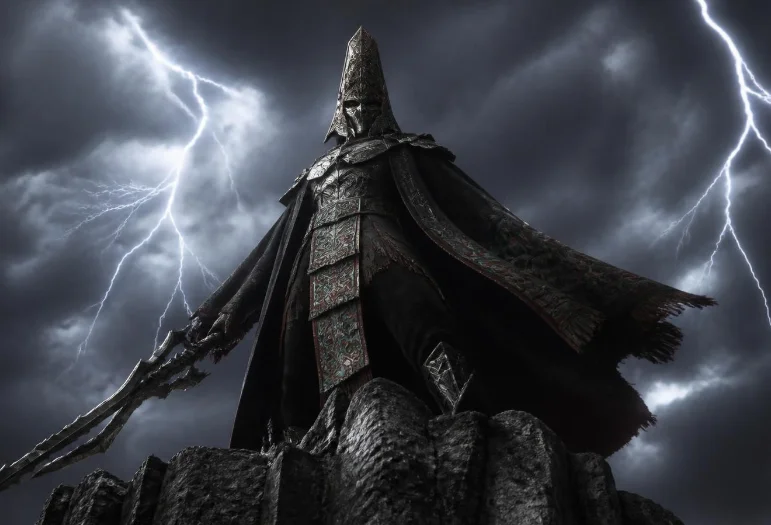
Zant is one of The Legend of Zelda: Twilight Princess’s most memorable villains. He seizes the Twilight Realm from Midna and attacks Hyrule with borrowed power. His story gradually reveals that an even larger threat stands behind his rise.
Quick answer: Zant is a Twili sorcerer and major antagonist in Twilight Princess. He overthrows Midna, claims the Twilight Realm, and spreads Twilight across Hyrule. His extraordinary strength comes from Ganondorf, whose influence turns the ambitious usurper into a dangerous servant rather than the story’s true final villain.
| Detail | What to know |
|---|---|
| Game | The Legend of Zelda: Twilight Princess |
| Race | Twili |
| Main title | Usurper King |
| Home | Twilight Realm |
| Main rival | Midna |
| Source of enhanced power | Ganondorf |
| Major location | Palace of Twilight |
| Boss battle | Six changing phases |
| Other notable appearance | Hyrule Warriors |
Key Takeaways
- He is a Twili who takes the throne from Midna.
- Ganondorf grants him the power needed to overthrow her.
- He spreads Twilight across Hyrule and forces Princess Zelda to surrender.
- His composed appearance hides an increasingly unstable personality.
- His boss battle revisits mechanics from several earlier dungeons.
- He also appears as a playable fighter in Hyrule Warriors.
Zant’s Story in Twilight Princess Explained
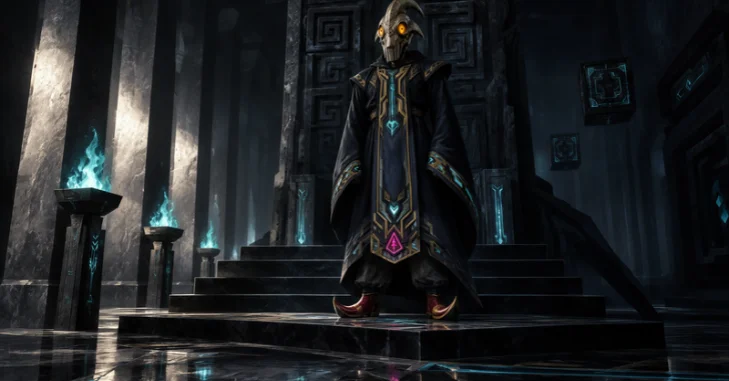
The Zant villain begins as a mysterious, intimidating ruler of the Twilight Realm. Before the game’s main events, he wants the throne that eventually passes to Midna. The Twili reject his ambition because they distrust his desire for power.
His frustration leaves him vulnerable to Ganondorf’s influence. Ganondorf appears to him as a godlike figure and offers supernatural power. With that strength, the rejected claimant can finally overthrow Midna and seize control.
He transforms Midna into the smaller imp-like form seen throughout much of the adventure. He also changes many Twili into Shadow Beasts and declares himself ruler. His plans then expand far beyond controlling his own kingdom.
The new ruler invades Hyrule and confronts Princess Zelda at Hyrule Castle. Zelda surrenders to avoid risking the destruction of her people. Much of Hyrule soon falls beneath a layer of Twilight.
Why Did Ganondorf Give Him Power?
Ganondorf needs a way to extend his influence while trapped outside Hyrule’s normal political order. The angry Twili provides a willing partner with access to the Twilight Realm. Their alliance therefore benefits both characters, although the balance is never equal.
The usurper believes the new strength validates his claim to leadership. Ganondorf instead treats him as a useful agent for spreading darkness into Hyrule. That relationship explains why the apparent main villain eventually gives way to Ganondorf.
This revelation changes how earlier scenes feel on a second playthrough. The masked ruler looks self-sufficient at first, but his greatest abilities come from another source. His political victory is therefore built on dependence rather than personal supremacy.
Readers interested in other villains whose importance goes beyond their first appearance can read GamerLume’s Pierro character and lore guide. That guide similarly separates confirmed story information from assumptions about a mysterious antagonist. Both characters show why motives matter as much as combat strength.
His Personality Changes More Than His Appearance Suggests
Early scenes present the Usurper King as controlled, cold, and almost ceremonial. His armor and helmet hide most emotional cues. That restraint makes his later behavior especially surprising.
When Link finally confronts him directly, the composed image begins to collapse. During the battle, his movements become frantic, theatrical, and unpredictable. The change suggests that the calm ruler was partly a performance masking instability.
That contrast is one reason the character remains memorable years after the game’s original release. He does not behave like a simple copy of Ganondorf. Instead, his insecurity and dependence give him a distinct identity within Zelda’s villain roster.
GamerLume uses a similar character-first approach in its Lady Dimitrescu daughters guide. That feature explains how personality, story context, and boss mechanics can work together. Character analysis becomes more useful when it connects lore with what players experience.
Powers and Abilities
His magical abilities include teleportation, energy attacks, transformations, and control over Twilight-related forces. He can also alter his size during the boss battle and summon strange manifestations of his helmet. Many powers reflect the influence gained through Ganondorf.
He is also dangerous because magic is not his only weapon. The final portion of his Twilight Princess fight introduces aggressive sword attacks. That change forces players to move from puzzle-style counters toward more direct combat.
His Hyrule Warriors incarnation expands these ideas into a complete playable fighting style. The character uses scimitars, Twilight magic, giant helmet attacks, and oversized stomping moves. His unusual heat gauge also rewards controlled aggression rather than endless button presses.
For more character-focused game coverage, GamerLume’s Raiden Shogun guide combines story context with practical combat information. It offers another example of how narrative identity can shape gameplay. That connection matters across many action and role-playing games.
How the Boss Fight Works
The Palace of Twilight confrontation uses six phases rather than one fixed arena. Several stages recreate settings and mechanics from earlier battles. Players must recognize which previously earned item solves each situation.
| Phase | Main idea | Useful response |
|---|---|---|
| Forest Temple-style arena | Ranged magic over dangerous terrain | Use the Gale Boomerang |
| Goron Mines-style arena | Tilting platform | Stabilize yourself with Iron Boots |
| Lakebed-style arena | Underwater positioning | Use the Clawshot |
| Forest miniboss-style arena | Attacks from elevated positions | Knock him down |
| Snowpeak-style arena | Giant stomping attacks | Use the Ball and Chain |
| Final sword phase | Fast melee attacks | Block, dodge, and punish openings |
The design makes the encounter feel like an exam covering skills learned throughout the adventure. Each phase asks the player to remember an older tool instead of introducing another permanent upgrade. The final duel then removes much of that puzzle structure.
This format also suits the villain’s personality. He constantly changes tactics, locations, and attack patterns as the confrontation becomes less controlled. The mechanical escalation mirrors his emotional breakdown.
What Happens After the Battle?
Link eventually defeats the false king inside the Palace of Twilight. Midna then confronts the person who stole her throne and transformed her. The story makes clear that defeating him does not eliminate the larger danger.
Ganondorf remains the power behind the crisis and becomes the final threat. That shift confirms that the Twilight Realm’s ruler was never the ultimate mastermind. His defeat instead clears the path toward the game’s final confrontation.
A brief later image involving the defeated Twili has encouraged years of discussion among players. The scene is intentionally striking, but it does not establish that he personally destroys Ganondorf. It works better as symbolic closure than as proof of a hidden final action.
Why the Character Still Stands Out
Many Zelda antagonists serve as temporary barriers before Ganondorf appears. This character earns more attention because the game gives him a kingdom, personal grievance, and relationship with Midna. His actions directly shape both Hyrule and the Twilight Realm.
His reveal also deliberately undercuts the imposing figure introduced earlier. The player discovers someone desperate for recognition, not an untouchable monarch. That tension makes him more complex than his intimidating armor suggests.
His boss encounter adds another layer by turning earlier dungeon lessons into one long confrontation. Players remember the personality and the mechanics together. That combination helps explain his lasting popularity among Twilight Princess fans.
GamerLume readers who enjoy understanding game design concepts can also explore the differences between roguelike and roguelite. It breaks down another area where mechanics and terminology can easily become confused. The site’s broader gaming coverage follows the same practical approach.
Frequently Asked Questions
Who is Zant in The Legend of Zelda?
Zant is a Twili and one of the main antagonists of Twilight Princess. He overthrows Midna and claims control of the Twilight Realm with power received from Ganondorf. For much of the story, he seems like the primary villain.
Is he the final boss of Twilight Princess?
No, his Palace of Twilight battle is not the game’s final confrontation. Ganondorf remains behind the larger conflict and becomes the ultimate enemy. Defeating the usurper exposes how dependent his rise was on that greater power.
Why did he overthrow Midna?
He wanted the Twili throne and resented being denied leadership. Midna received the position instead, while his ambition made the Twili distrust him. Ganondorf’s offer then gave him enough power to seize what he believed he deserved.
Is he playable in Hyrule Warriors?
Yes, the character appears as a playable warrior in Hyrule Warriors. His moveset uses scimitars, magical attacks, oversized transformations, and abilities inspired by his original boss battle. The adaptation turns his unpredictable behavior into an unusual combat style.
Is the character stronger than Ganondorf?
The story does not support that conclusion. Much of his exceptional strength comes from Ganondorf giving him power. Their relationship presents Ganondorf as the greater force behind the invasion and the final conflict